
New research from HM Revenue & Customs (HMRC) has placed an uncomfortably large figure on the estimated amount of unpaid tax in the UK.
At £59.2 billion, the outstanding amount is a serious sum of money—equating to roughly £850 a head for every man, woman, and child in the country. But what exactly makes up this shortfall, and how does the government plan to recover it?
Understanding the UK’s ‘Tax Gap’
In the broader context of UK taxation, this £59.2 billion figure represents HMRC’s estimate of the “tax gap” for the 2024/25 tax year. Simply put, this is the difference between the theoretical amount of tax expected to be paid and the amount actually received by the Treasury.
To put that into perspective, the shortfall is £8.6 billion less than the total extra tax forecast to be raised by Rachel Reeves across her two Budgets while serving as Chancellor.
While the tax gap is inevitably an estimate, HMRC has been calculating it annually since 2005/06. Back then, unpaid tax accounted for 7.5% of all tax due; today, the latest provisional figure stands at 6.4%.
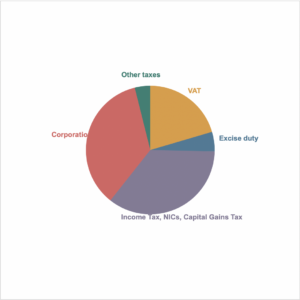
Source: For 2024.25, Table 1.2, ‘Measuring the tax gap tables online’, .gov.uk
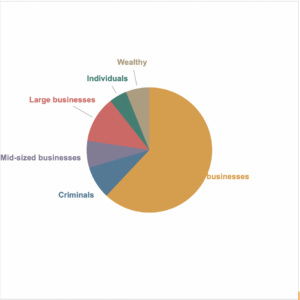
Source: For 2024.25, Table 1.3, ‘Measuring the tax gap tables online’, .gov.uk
How HMRC is Fighting Back
Narrowing the tax gap is a recurring feature in Budget announcements, largely because it represents “pain-free” extra cash for the government.
In 2024/25, HMRC collected a record £48 billion in “compliance yield”—extra tax successfully raised through investigations, inquiries into returns, and other revenue protection measures.
A £1.7 Billion Investment in Compliance
The government is doubling down on these efforts. The Spending Review 2025 allocated £1.7 billion to HMRC to fund 5,500 additional compliance staff and 2,400 debt management personnel.
In total, measures announced by the government since the Autumn Budget 2024 aim to aggressively reduce the tax gap by £10 billion a year by 2029/30.
The Small Business Compliance Challenge
To a large extent, whether HMRC achieves its £10 billion reduction goal depends on its ability to collect tax from small businesses.
Currently, small businesses account for the largest customer group of the tax gap, responsible for 62% of the shortfall in 2024/25. Around half of this missing revenue stems from corporation tax.
This is a perennially difficult area for HMRC due to sheer volume. The government estimates there are roughly 5.6 million small businesses (enterprises with fewer than 50 employees) in the UK. At the opposite end of the spectrum, there are fewer than 8,500 large companies (250 or more employees). For HMRC, conducting individual compliance work on millions of small businesses simply isn’t cost-efficient.
What Taxpayers Can Expect Moving Forward
Because of this efficiency challenge, HMRC is changing its approach. Taxpayers should anticipate a continuous push for more timely and accurate information. Key consequences will likely include:
-
Wider Rollouts: Further expansion of digital initiatives, such as Making Tax Digital for Income Tax.
-
Faster Collections: More proposals aimed at reducing the time between receiving income and paying the corresponding tax—such as recent consultations on accelerating self-assessment payments on account.
Ensure Your Tax Affairs are in Order with Chartwell Wealth Management
With HMRC investing heavily in compliance and tightening its grip on unpaid revenue, keeping your tax affairs accurate and up to date has never been more critical.
If you are a business owner or an individual concerned about upcoming tax reforms, accelerated payment timelines, or simply want to ensure your financial plan is as tax-efficient as possible, we are here to help. Contact Chartwell Wealth Management today to speak with our experienced team and secure your financial peace of mind.
Please Note: Tax treatment varies according to individual circumstances and is subject to change. The Financial Conduct Authority does not regulate tax advice.